About Naantali
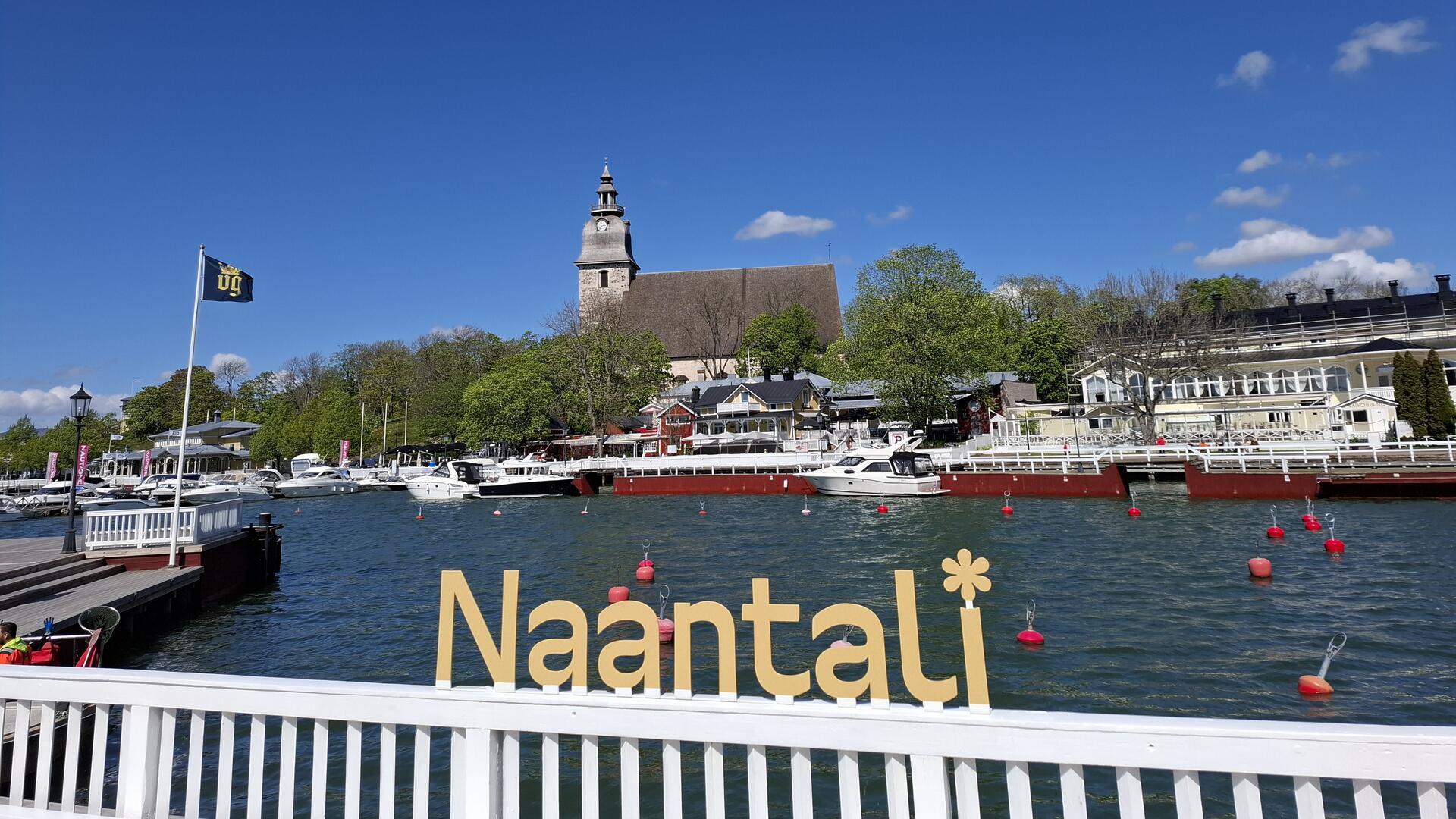
Naantali is a growing city with over 20,000 inhabitants, located in the attractive region of Southwest Finland. Naantali is an archipelago city, comprising as many as a thousand islands and a thousand kilometers of shoreline.
The city offers diverse housing options in the city center, on mainland residential areas, and in the archipelago: Luonnonmaa, Merimasku, Rymättylä, Livonsaari, and Velkua. Naantali’s strengths include nature, the sea, and well-functioning services.
Naantali is an entrepreneur-friendly and developing port city with excellent connections by both land and sea. Currently, Naantali hosts about 1,600 companies, and among the largest employers in the area are Sunborn Saga Oy, Stera Group Oy, Condite Oy, Finnfeeds Finland Oy, and Kymppi-Katto Oy.
Distances:
- 15 km to Turku
- 79 km to Rauma
- 174 km to Tampere
- 180 km to Helsinki
History
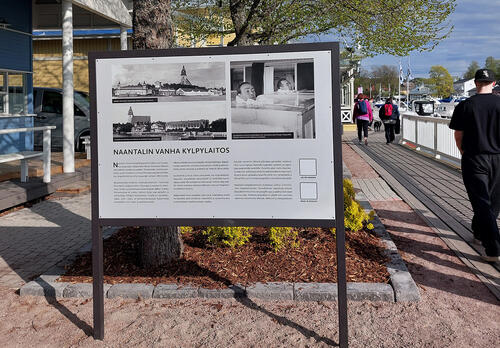
The history of Naantali began in 1443 when a Bridgettine convent was founded in Ailostenniemi, a cape around which the town developed. In the Middle Ages, Naantali was an important pilgrimage destination, but after the Reformation, the convent was dissolved and the town fell into difficulties. Knitting became an important livelihood.
In the 19th century, spa activities brought new prosperity to the town and attracted visitors from abroad. In 1922, Kultaranta became the summer residence of the President of the Republic. After the war, the establishment of industrial companies such as Neste Oy boosted the economic growth of Naantali. In the 1960s, car ferry traffic strengthened Naantali’s position as a port city.
Today, Naantali is best known for its Spa Hotel and Moominworld. In 2009, the archipelago municipalities of Rymättylä, Merimasku, and Velkua, and in 2011 the areas of Livonsaari and Lempisaari, were merged with Naantali, making it the city of a thousand islands.